
Skip to content

Stop Paying for 10 AI Subscriptions — Get 50+ AI Tools for the Price of One | Magai Review

Posted in The AI Revolution

What If You Could Access 50+ Premium AI Tools
— For the Price of One Netflix Subscription?

Forget paying $20 here, $30 there, and $200 somewhere else.
There’s a smarter way. And 50,000+ professionals have already found it.


➜ Get All 50+ AIs in One Place — Starting at $20/mo

Magai - 50+ AI apps for the price of one

The Dirty Secret the Big AI Companies Don’t Want You to Know

You’ve been told you need ChatGPT Plus — $20/month. And Claude Pro — another $20.
And Gemini Advanced — $20 more. Throw in a dedicated AI image generator, an AI video
tool, and a research assistant, and you’re easily staring down
$300 to $500 a month before you’ve even gotten started.

Meanwhile, the content creators, digital entrepreneurs, developers, and marketers
who are absolutely crushing it online? They figured out something most
people haven’t discovered yet.

“The smartest professionals aren’t paying for 10 AI subscriptions.
They’re paying for one — and getting access to all of them.”

That one platform is
Magai
. And once you see what it does, you’ll wonder how you ever worked without it.

What Exactly Is Magai?

Magai all-in-one AI platform interface

Magai is the
all-in-one AI platform built for professionals who refuse to waste money, time, or
momentum. In a single, beautifully designed interface, you get instant access to more
than 50 of the world’s most powerful AI models — including ChatGPT, Claude, Gemini,
DeepSeek, Grok, Meta AI, Perplexity, and dozens more.

But here’s what makes Magai
genuinely revolutionary: you can switch between AI models mid-conversation —
without losing a single word of context.

No more copy-pasting. No more starting over. No more “which tab did I have Claude
open in?” Just seamless, intelligent, continuous AI conversation — exactly the way
it should work.

Trusted by professionals at

Amazon
Dell
Cisco
Notre Dame
Hyatt
RE/MAX
Hilton
Delta

Start With ChatGPT. Clarify With Claude. Optimize With DeepSeek. All in One Chat.

Every AI model has a superpower. The problem is that until now, you had to pay for
each one separately and start a new conversation every time you switched.
Magai
eliminates that friction entirely.

💡

ChatGPT

Ideal for brainstorming, outlining, and rapid idea generation.

🧠

Claude

Brilliant at simplifying complex topics and writing expert copy.

💻

Gemini

Perfect for debugging code and suggesting creative visual concepts.

📖

DeepSeek

Exceptional for storytelling, narrative craft, and optimization.

🔬

Perplexity

The research powerhouse — excels at sourced summaries and fact-finding.

🤖

Auto Mode

Let Magai pick the best model for your prompt automatically.

And because Magai
preserves your entire conversation history across every model switch, you keep your
creative momentum going all day long — no cooldowns, no restart, no lost context.

This Isn’t Just a Chatbot. It’s an Entire Creative Studio.

When people first hear about Magai,
they imagine it’s just another AI chat interface. But the moment they log in, they
discover it’s something far more powerful: a complete AI-powered creative and business
operating system.

🎨 AI Image Generation — Professional Visuals in Seconds

Need stunning blog images, product mockups, social media graphics, or brand visuals?
Magai includes access
to the best AI image generators on the planet — right inside your chat. Upload a
reference image once, and reuse it any time just by mentioning it.

🎬 AI Video Creation — No Film Crew Required

Product demos. Explainer videos. YouTube content. Social reels.
Magai gives you access
to top-tier AI video generators alongside the best language models — so you can go
from concept to finished video faster than you ever thought possible.

✍️ The Canvas Document Editor — Write, Edit, and Export Without Leaving Chat

A beautiful writing canvas lives right inside
Magai‘s chat. Draft
blog posts, marketing copy, reports, and more — then export directly as PDF or DOCX.
No jumping between apps. No formatting nightmares.

⚡ Prompt Enhancer — Turn Vague into Vivid

Magai‘s built-in
Prompt Enhancer automatically transforms fuzzy inputs into structured, high-quality
prompts that get dramatically better results — every single time.

📁 Prompt Library — Your Best Work, Always Accessible

Save your most effective prompts, organize them, and reuse them instantly.
Stop reinventing the wheel on every new project.

🔗 130+ Integrations — Your Entire Stack, Commanded by AI

Connect Gmail, Google Drive, Notion, HubSpot, Slack, Asana, Monday, Mailchimp,
YouTube, LinkedIn, and 120+ more tools — then direct any of 50+ AI models to act
across all of them from a single chat window. This isn’t automation. This is
delegation at scale.

Magai scheduled AI tasks and automation

⏰ Scheduled Tasks — The Simplest Way to Automate Your Work

Set any AI task to run once or on a recurring schedule. Automated reporting.
Scheduled social content. Daily briefings.
Magai handles it —
zero code required.

♾️ No Rate Limits, No Cooldowns

ChatGPT shuts you down mid-flow? Claude hits a wall on high-output days?
Magai keeps generating.
No 4-hour locks. No forced pauses. And if you ever need more capacity, add it
instantly — no plan change required.

♿ Breaking Barriers: AI That Works for Everyone — Including the Blind and Visually Impaired

Technology should empower everyone — and
Magai is a
remarkable tool for blind users, developers building accessible applications, and
anyone who creates content and software for people with disabilities.

  • Generate fully accessible code — WCAG-compliant HTML,
    ARIA-labelled components, and screen-reader-friendly interfaces.
  • Create alt-text at scale — describe images automatically
    for visually impaired readers across websites, blogs, and apps.
  • Build accessible apps without a large team — rapidly
    prototype software that serves blind and low-vision users.
  • Produce audio-first content — scripts, narration,
    transcriptions — all drafted, refined, and exported inside a single chat.
  • Voice-friendly prompt workflows — combine Magai’s
    integrations with voice input tools for a nearly hands-free AI experience.

For developers, educators, and advocates in the accessibility space,
Magai is nothing
short of a superpower.

Built for Teams — Collaborate in Real-Time AI Chats

Most AI tools are built for lone wolves.
Magai is engineered
for teams. Add teammates directly into live chats. Share entire threads via secure
read-only public links. Upload documents, briefs, and reference files that every
team member and every AI model can access.

Create Your AI Persona Once. Use It Everywhere.

Here’s one of Magai‘s
most underrated features: Reusable Personas. Think of them like Custom
GPTs — but instead of being locked to one model, your persona works instantly across
every AI model in the platform. Write your brand voice once, apply it everywhere.

Your Data Is Sacred. And Magai Treats It That Way.

Unlike some AI platforms that use your conversations to train future models,
Magai is built on a
privacy-first foundation. Requests are securely sent to model providers, processed,
and then deleted — never stored, never used for training.

Don’t Just Take Our Word For It — Hear From the 50,000+ Who Already Use It

★★★★★

“An indispensable tool in my business arsenal! Having every major
model in one place at this price is just… unreal.”
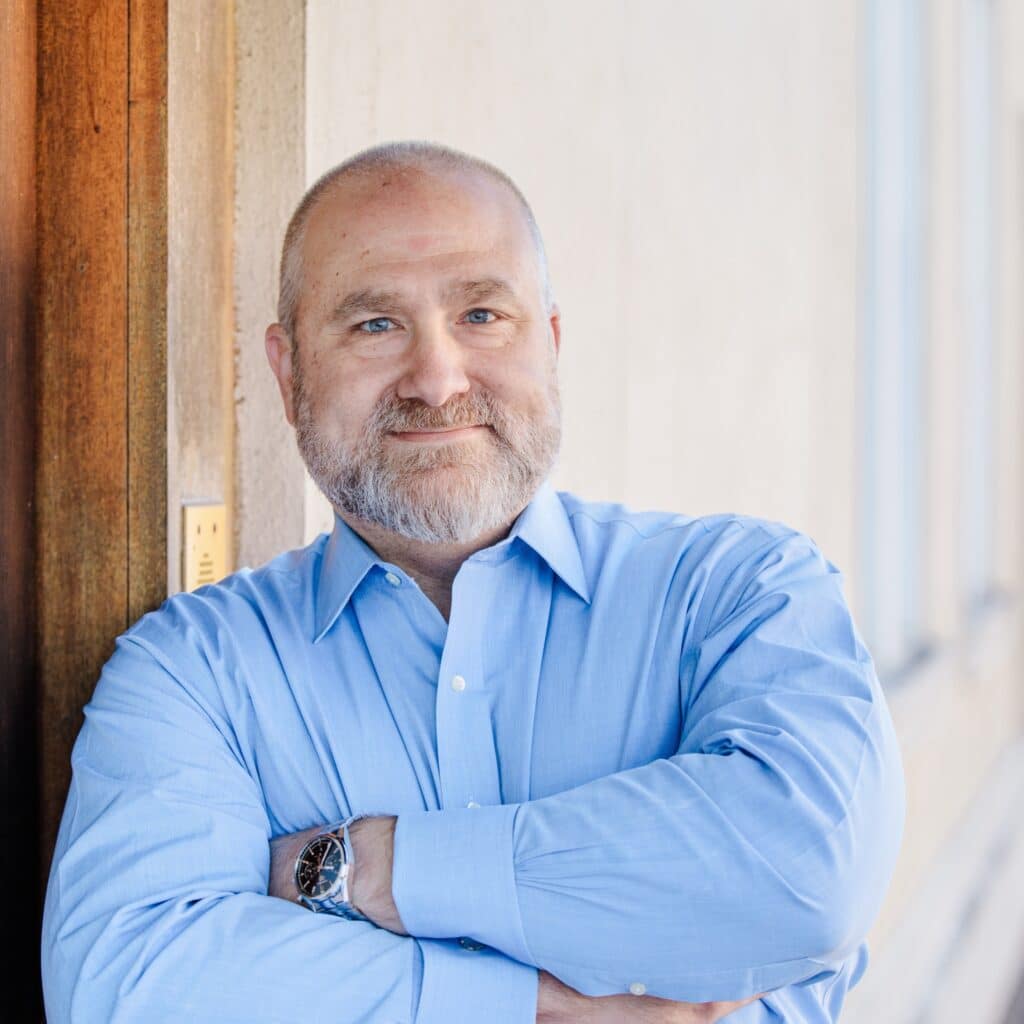
Casey Cease

Casey Cease
Agency Owner
★★★★★

“I moved 10+ custom GPTs and months of chat history from ChatGPT
to Magai in just a few minutes. Nothing broke. Everything worked right away.”
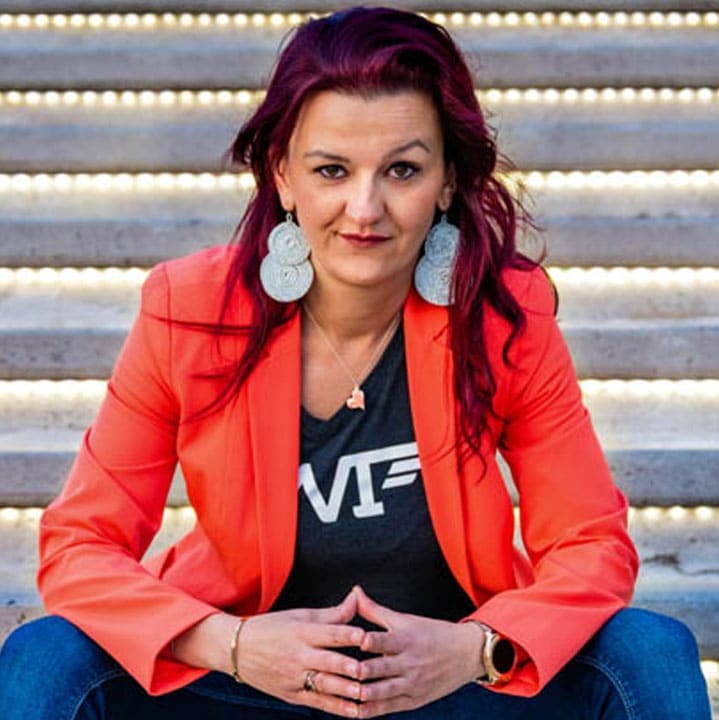
Yvonne Heimann

Yvonne Heimann
Leadership Coach
★★★★★

“Being able to switch between ChatGPT, Claude, and Gemini without
losing context is a game-changer. I used to waste 20 minutes a day just
copy-pasting. That’s over.”

Marketing Director
Fortune 500 Company
★★★★★

“The team collaboration features alone make this worth every penny.
We’ve cut our content production time in half.”

Content Studio Owner
Digital Media Agency
“Access the same AI models others pay $500/month for — starting at just $20/month.
That’s not a deal. That’s a steal.”

Simple, Honest Pricing. No Hidden Fees. No Surprises.

For what you’d pay for a single premium AI subscription, you get access to all of
them. Pick the plan that fits where you are today:

Standard

$20/mo
  • All 50+ Premium AI Models
  • AI Image Generators
  • AI Video Generators
  • 130+ Integrations
  • Standard Usage
  • Add Users at $20/ea

Get Started

Ultra

$200/mo
  • All 50+ Premium AI Models
  • AI Image Generators
  • AI Video Generators
  • 130+ Integrations
  • 15× Standard Usage
  • Custom User Rates

Get Started

Already Using ChatGPT or Claude? Migrate in 5 Minutes. Nothing Lost.

  1. Export your JSON files from ChatGPT or Claude
  2. Import to Magai
    — every message, prompt, and thread comes with you
  3. Instantly resume your projects with zero downtime

As Yvonne Heimann put it: “Nothing broke. Everything worked right away.”

Is Magai Right for You?

  • ✅ You’re a content creator who needs AI writing, image generation, and video creation
  • ✅ You’re a developer or coder who wants multiple AI models for debugging and building
  • ✅ You’re building accessible apps or content for blind or visually impaired users
  • ✅ You’re a marketer or agency owner managing content at scale
  • ✅ You’re a team leader who wants everyone working from the same AI context
  • ✅ You’re a solopreneur who wants enterprise-level AI without enterprise-level costs
  • ✅ You’re currently paying for multiple AI subscriptions and feel the waste every month

The Question Isn’t Whether You Need AI.
It’s Whether You’re Paying Too Much for It.

50,000+ professionals have already made the switch. They’re creating more, spending
less, and working without limits. Your competition might already be using
Magai.
The only question is: will you?


🚀 Get 50+ AI Tools for $20/Month — Start Today

Still have questions?
Visit the Magai website
to see every feature, explore pricing, and join 50,000+ professionals.

Disclosure: This article contains affiliate links. If you click through and make
a purchase, we may earn a commission at no additional cost to you. We only recommend
tools we genuinely believe in. All testimonials are sourced from magai.co.

Be First to Comment

Leave a Reply

Your email address will not be published. Required fields are marked *

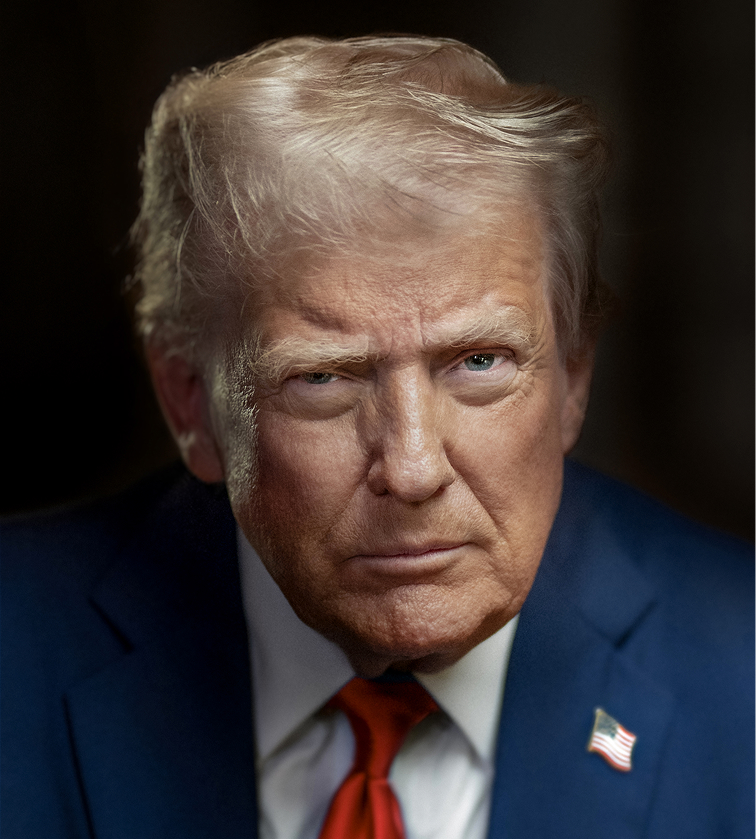
Actions Taken by President Donald J. Trump Beneficial to Black Americans

Posted in The Trump Administration

By Kevin Pirnie

Covering the First Term (2017–2021) and Second Term (2025–Present)


1. Criminal Justice Reform

The First Step Act (December 2018)

The most widely cited action benefiting Black Americans was the signing of the First Step Act on December 21, 2018 — the first major federal criminal justice reform legislation in decades. The bipartisan law addressed sentencing disparities that had disproportionately affected Black communities for generations.

Key provisions included:

  • Retroactive application of the Fair Sentencing Act of 2010, which reduced the sentencing disparity between crack and powder cocaine offenses — a disparity long criticized as racially discriminatory. Before 2010, offenses involving 5 grams of crack cocaine (more common in Black communities) were punished as severely as those involving 500 grams of powder cocaine.
  • Elimination of the federal “three strikes” life sentencing provision for certain non-violent offenses.
  • Expanded judicial discretion in sentencing non-violent crimes.
  • Expansion of “good time” credits, allowing qualifying inmates to earn reduced sentences.
  • Improved prison conditions, including banning the use of restraints on pregnant women and requiring prisons to place inmates closer to their families.
  • Rehabilitation and reentry programs, reorienting the federal prison system toward rehabilitation through vocational training, educational coursework, and faith-based programs.

Impact: Within the first year of enactment, more than 3,000 federal prisoners were released based on changes to good-time credit calculations, and more than 2,000 inmates benefited from retroactive sentence reductions under the Fair Sentencing Act. Over 90% of those who received sentence reductions were Black Americans, according to the U.S. Sentencing Commission.

Sources:

Police Reform Executive Order (June 2020)

In the aftermath of the death of George Floyd, on June 16, 2020, Trump signed an executive order on police reform. The order:

  • Called on police departments to adopt bans on chokeholds, except when an officer’s life is at risk.
  • Directed the creation of a national database for police departments to share information on officers with a history of misconduct.
  • Encouraged the use of co-responders (social workers and mental health professionals) to respond to non-violent calls.
  • Tied federal grant funding to police departments that met use-of-force standards set by independent credentialing bodies.

Second Chance and Reentry Initiatives

  • Launched the “Ready to Work” initiative to connect employers with formerly incarcerated individuals.
  • Created the Federal Interagency Crime Prevention and Improving Reentry Council.
  • Awarded $2.2 million to states to expand the use of fidelity bonds, which underwrite companies that hire former prisoners.
  • Awarded over $333 million in Department of Labor grants to nonprofits and state/local governments for reentry projects focused on career development for formerly incarcerated individuals.
  • Promoted second chance hiring to help former prisoners find meaningful employment.

Source:


2. Pardons, Commutations, and Clemency

Alice Marie Johnson

Perhaps the most prominent individual clemency case was that of Alice Marie Johnson, a Black grandmother who had served 21 years of a life sentence for a first-time, non-violent drug offense (cocaine conspiracy and money laundering). After advocacy by Kim Kardashian and Jared Kushner, Trump:

  • Commuted her life sentence on June 6, 2018, leading to her immediate release.
  • Invited her as a guest at the 2019 State of the Union Address, where she received a standing ovation.
  • Granted her a full pardon on August 28, 2020.
  • Appointed her as the nation’s first-ever “Pardon Czar” at a Black History Month event at the White House on February 20, 2025, tasking her with identifying candidates for presidential clemency.

Johnson has since become a prominent criminal justice reform advocate, founding the Taking Action for Good Foundation. In her role as Pardon Czar, she has been involved in securing clemency for numerous additional individuals.

Posthumous Pardon of Jack Johnson (May 2018)

On May 24, 2018, Trump issued a rare posthumous pardon to Jack Johnson — the first African American heavyweight boxing champion — who was convicted in 1913 under the racially charged Mann Act for traveling with his white girlfriend. Johnson had been convicted by an all-white jury, and the case had long been viewed as racially motivated.

Trump stated: “I am taking this very righteous step, I believe, to correct a wrong that occurred in our history and to honor a truly legendary boxing champion.” The pardon ceremony in the Oval Office was attended by boxers Deontay Wilder, Lennox Lewis, and actor Sylvester Stallone, who had championed the cause. The pardon had bipartisan support, including from the Congressional Black Caucus, and had been sought unsuccessfully from Presidents George W. Bush and Barack Obama.

Sources:

Additional Clemency for Black Americans

Trump granted pardons and commutations to numerous other Black individuals across both terms:

First Term (January 2021, final day):

  • Lil Wayne (Dwayne Michael Carter Jr.) — Full pardon for federal weapons charge. Supported by Deion Sanders and charitable leaders.
  • Kodak Black (Bill K. Kapri) — Commutation of sentence for federal firearms charges. The White House cited his philanthropy, including educational resources for students and $50,000 to the Barstool Fund for COVID-affected small businesses.
  • Michael “Harry-O” Harris — Commutation for Death Row Records co-founder, who had served 32 years for cocaine trafficking.
  • Kwame Kilpatrick — Commutation for the former mayor of Detroit, convicted of racketeering and extortion, who had served approximately 7 years of a 28-year sentence.

Second Term (2025):

  • Larry Hoover — Federal life sentence commuted (May 2025). The former Gangster Disciples leader had been incarcerated since the 1970s. Kanye West and Drake had held a benefit concert for his release in 2021. His family thanked Trump and West.
  • NBA YoungBoy (Kentrell DeSean Gaulden) — Full pardon (May 2025).
  • Crystal Munoz, Tynice Nichole Hall — Earlier commutations championed by Alice Johnson during the first term.

Sources:


3. Historically Black Colleges and Universities (HBCUs)

First Term HBCU Actions

Trump took several actions regarding Historically Black Colleges and Universities (HBCUs) that were praised by leaders in the HBCU community:

  • Executive Order on HBCUs (February 2017): Signed barely a month into his presidency, the order moved the White House Initiative on HBCUs from the Department of Education to the White House to ensure direct oversight and prioritization. It was the earliest HBCU-related executive order signed by any president.
  • FUTURE Act (December 2019): Signed the bipartisan Fostering Undergraduate Talent by Unlocking Resources for Education Act, making permanent $255 million in annual funding for HBCUs and other minority-serving institutions (approximately $85 million specifically earmarked for HBCUs) and increasing funding for Federal Pell Grants. Previously, these funds had to be renewed annually by Congress.
  • Disaster loan forgiveness (2018): Forgave $322 million in disaster relief loans to four HBCUs impacted by Hurricanes Katrina and Rita (including Dillard University in New Orleans).
  • Increased funding: Signed legislation that included more than $100 million for scholarships, research, and centers of excellence at HBCU land-grant institutions.
  • Capital Financing: Relaunched the HBCU Capital Finance Board, making millions of dollars available for long-term growth.
  • HBCU PARTNERS Act: Signed legislation mandating federal agencies meaningfully engage with HBCUs.

Second Term HBCU Actions

  • Executive Order (April 2025): Signed a new executive order establishing the White House Initiative to “Promote Excellence and Innovation at HBCUs,” calling for an annual White House Summit on HBCUs and prioritizing private-sector partnerships, institutional development, and workforce preparation.
  • $495 million additional funding (September 2025): The Department of Education redirected $435 million in additional funding to HBCUs (plus $60 million to tribal colleges), bringing the total HBCU allotment to approximately $1.38 billion for fiscal year 2025 — a 48% increase.

The United Negro College Fund (UNCF) described the additional funding as “nothing short of a godsend for HBCUs.” The Thurgood Marshall College Fund praised Trump’s “track record of support” for their institutions.

Note: Some critics pointed out that the second-term funding increase came partly from redirecting funds previously allocated to other minority-serving institutions, and that the administration simultaneously pursued cuts to DEI programs that some HBCU advocates viewed as contradictory.

Sources:


4. Economic Initiatives

Black Unemployment and Poverty Rates (First Term)

During the pre-pandemic period of Trump’s first term, key economic indicators reached notable levels:

  • The Black unemployment rate reached a then-record low of 5.3% in August and September 2019.
  • The Black poverty rate fell to a then-record low of 18.8% in 2019.
  • Median income for African American-headed households rose by 2.6% between 2017 and 2018.

Important context: Economists debate the extent to which presidential policies drove these numbers versus the continuation of existing economic trends that began under the Obama administration. These records were later surpassed under the Biden administration (Black unemployment reached 4.8% in April 2023; Black poverty fell to 17.1% in 2022).

Sources:

Opportunity Zones

The 2017 Tax Cuts and Jobs Act created the Opportunity Zones program — a tax incentive framework championed by Trump and Sen. Tim Scott (R-SC), the only Black Republican senator at the time — to encourage investment in economically distressed communities.

  • 8,764 communities across all 50 states were designated as Opportunity Zones.
  • Nearly 35 million Americans lived in designated Opportunity Zone communities.
  • Almost 60% of Opportunity Zone residents were nonwhite.
  • The White House estimated that the program attracted approximately $75 billion in total investment pledges.

Some investments produced tangible results. For example, Demetrius Gray, a Black tech entrepreneur in Louisville, received $250,000 from an Opportunity Zone fund for his company Weathercheck, saying it “created more runway for us.” Projects in cities like Baltimore, Birmingham, and Erie brought new development to underserved areas.

Important context: The program has been subject to significant criticism. Studies by the Urban Institute and others found that the bulk of investment went to real estate developments in already gentrifying areas, rather than to minority-owned businesses or the most distressed communities. The program lacked reporting requirements, making its true impact difficult to measure.

The Platinum Plan (September 2020)

During the 2020 campaign, Trump announced the Platinum Plan for Black America at a “Black Voices for Trump” event in Atlanta, promising:

  • $500 billion in access to capital for Black communities.
  • Creation of 3 million new jobs for the Black community.
  • 500,000 new Black-owned businesses.
  • Making Juneteenth a federal holiday (later signed into law by Biden in 2021).
  • Designating the KKK and Antifa as terrorist organizations.
  • Making lynching a national hate crime.
  • Investments in healthcare disparities including sickle cell disease research.
  • Increasing broadband access in underserved communities.

Note: The Platinum Plan was a campaign proposal. Many of its elements were not enacted during either term, though some components aligned with existing initiatives.

Sources:


5. Recognition and Awards to Black Americans

Presidential Medal of Freedom Recipients

During his first term, Trump awarded the Presidential Medal of Freedom — the nation’s highest civilian honor — to three Black Americans:

  • Tiger Woods (May 2019): Recognized as one of the greatest golfers of all time, the first African American to win the Masters Tournament, and founder of the TGR Foundation supporting student success for over 20 years.
  • Alan C. Page (November 2018): Former NFL star for the Minnesota Vikings (1971 NFL MVP), member of the Pro Football Hall of Fame, and Associate Justice of the Minnesota Supreme Court who served for over 20 years. His Page Education Foundation has provided scholarships to nearly 7,000 students.
  • Mariano Rivera (September 2019): The legendary New York Yankees closer, widely considered the greatest relief pitcher in baseball history and the first player unanimously elected to the Baseball Hall of Fame.

Sources:

Second Term: Announced Medal of Freedom for Ben Carson

In his second term, Trump announced the Presidential Medal of Freedom would be awarded to Dr. Ben Carson, the retired neurosurgeon who served as Trump’s Secretary of Housing and Urban Development and was previously the first surgeon to successfully separate conjoined twins connected at the head.

State of the Union Recognition

At the 2019 State of the Union, Trump invited Alice Marie Johnson as a guest and asked her to stand to be recognized, resulting in a standing ovation from members of Congress.

Black History Month Events and Proclamations

  • Trump signed annual Black History Month proclamations during both terms, honoring Black Americans including Frederick Douglass, Harriet Tubman, Thomas Sowell, and Justice Clarence Thomas.
  • Hosted Black History Month events at the White House, including the February 2025 event where he announced Alice Johnson as Pardon Czar.

Sources:


6. Health Initiatives

Sickle Cell Disease Awareness

In September 2020, Trump issued a Presidential Proclamation for National Sickle Cell Disease Awareness Month — the first time since 1983 that the White House had elevated this issue with a presidential proclamation. Sickle cell disease disproportionately affects Black Americans (approximately 90% of the roughly 100,000 Americans with the disease are Black, according to the CDC).

First Lady Melania Trump hosted a White House roundtable on “Improving the Lives of Americans Living with Sickle Cell Disease” as part of her Be Best initiative.

Source:


7. Appointments and Empowerment

Black Americans in Key Roles

  • Dr. Ben Carson served as Secretary of Housing and Urban Development (2017–2021), the highest-ranking Black member of Trump’s first-term Cabinet. He is also a two-time recipient of the Presidential Medal of Freedom.
  • Alice Marie Johnson was appointed as the nation’s first “Pardon Czar” (February 2025), tasked with recommending individuals for presidential pardons and commutations.
  • Sen. Tim Scott (R-SC) was a key legislative partner on Opportunity Zones and criminal justice reform. Trump publicly praised and worked closely with the only Black Republican in the Senate.
  • Ja’Ron Smith served as a deputy director of the White House Office of American Innovation and was a top White House aide on domestic policy matters affecting minority communities, particularly the Opportunity Zones initiative.

8. Intervention on Behalf of Black Americans Abroad

A$AP Rocky Case (2019)

In July 2019, Trump personally intervened on behalf of rapper A$AP Rocky (Rakim Mayers), a Black American artist who was detained in Sweden after a street altercation. Trump spoke with Swedish Prime Minister Stefan Löfven, publicly advocated for Rocky’s release, and offered to “personally vouch for his bail.” While Sweden’s judicial system operates independently and Rocky was ultimately released pending trial and later found guilty with a suspended sentence, Trump’s intervention was notable as a personal action on behalf of a Black American citizen abroad.


Summary

This report has documented specific actions taken by President Trump that were directed toward or significantly impacted Black Americans. The most substantive legislative achievements include the First Step Act, FUTURE Act for HBCU funding, and the Opportunity Zones program. The most prominent individual actions include the clemency cases of Alice Johnson, Jack Johnson, and numerous other Black Americans, as well as the appointment of Alice Johnson as Pardon Czar and awards to Black honorees including Tiger Woods, Alan Page, and Mariano Rivera.


Report compiled: February 11, 2026
Sources include: White House archives, NPR, NBC News, CNN, PBS, Brennan Center for Justice, PolitiFact, FactCheck.org, UNCF, Thurgood Marshall College Fund, Bureau of Prisons, the Brennan Center, the U.S. Sentencing Commission, and other publicly available records.

Be First to Comment

Leave a Reply

Your email address will not be published. Required fields are marked *

glazer

Posted in training

haun Buck – “An OUTRAGEOUS Way to ‘Drive’ Referrals By Giving Away a Luxury Car – And Get Your Referrers to Pay For It”


Rob Cuesta – “An Outrageous Way To Sell 6,512 Books and Fill A Live Event”

aeth Davis – “An outrageous Way to Make $500,000 from a Small List Even if You’re Not Technical, and You Have Other Stuff Going On”

Oli Billson – “An OUTRAGEOUS Way to Fill a Seminar Room on the Other Side of the World and Sell Out Your Mastermind Group”


Dr. Scot Gray – “An OUTRAGEOUS Way to Turn Old Customers and Dead Leads into Fast Cash”

Maxwell Finn – “An OUTRAGEOUS Way to Turn Someone Else’s Failure Into A $5 Million Win For You!”

Pam Brossman – “An OUTRAGEOUS Way to Make $50,000 by Asking the Right Question to the Right People. And then doing it again. And AGAIN!”

Ryan Deiss – “An OUTRAGEOUS Way to Get 700% More Uptake on Your Funnel by Making Fewer Offers